Beyond "Teen Attitude": Recognizing and Supporting a Struggling Child
It is incredibly common for parents to mistake a child’s emotional struggles for typical adolescent moodiness or teenage rebellion. Because youth rarely express emotional pain the same way adults do, their distress often manifests outwardly as irritability, sudden academic drops, changes in sleep patterns, or withdrawal from activities they used to love. Instead of dismissing these shifts as a "phase," it is vital for caregivers to look closer. Recognizing that a change in behavior is actually a quiet cry for help is the first step in stepping in before a crisis occurs.
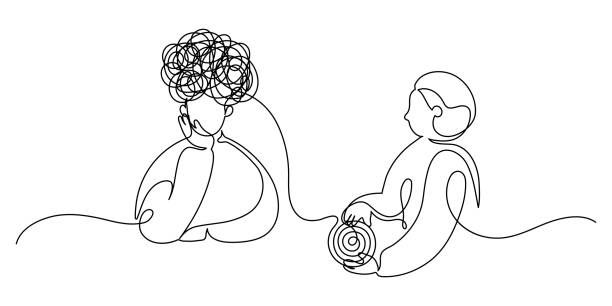
When you notice these warning signs, the way you initiate the conversation matters deeply. Approach your child during a low-stress moment, like a car ride or while preparing dinner, where the lack of intense eye contact can make them feel less cornered. Lead with observation and curiosity rather than judgment: "I’ve noticed you’ve been spending a lot of time alone in your room lately, and I just want to check in and see how you’re really doing." Your primary goal here is not to fix their problems or lecture them, but to provide a safe, non-judgmental space where they feel completely heard and validated.
Finally, remember that you do not have to have all the answers to be a safe harbor for your child. Simply letting them know, "I’m here with you, and we will figure this out together," can instantly lower their anxiety. If the struggles are impacting their daily life, schoolwork, or friendships, gently introduce the idea of outside support. Partnering with a school social worker, counselor, or mental health professional doesn't mean you've failed as a parent; it means you are building a powerful team to give your child the specialized tools they need to thrive.


Comments